Wildflowers in the Garden: A 3D SVG for Paper Flowers Lovers
As an experienced digital product creator, I always take a moment to review new design assets with a critical eye. It’s not just about liking the visuals—it’s about how they perform across different platforms and products. Wildflowers in the Garden caught my attention immediately because of its layered composition and thoughtful sizing. Here's what I found after evaluating it for commercial use.
First Impressions and Niche Appeal
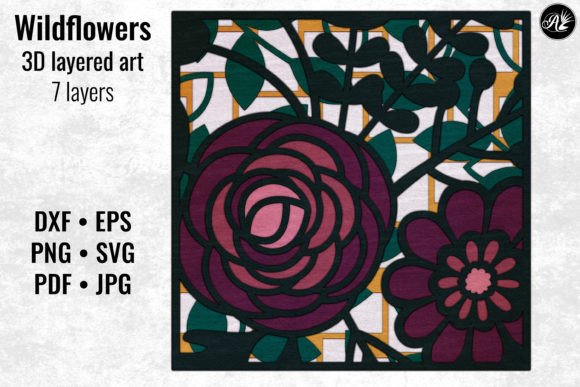
The first thing that stands out about Wildflowers in the Garden is its natural charm. The design features a collection of flowers and leaves resting above a basket weave pattern, creating a soft, organic feel. This kind of visual language speaks to buyers who appreciate handmade aesthetics, botanical themes, and designs that evoke a sense of peace and simplicity.
I see this asset fitting well into niches like small business branding, handmade businesses, or print-on-demand collections focused on nature, gardening, or rustic living. It has a subtle elegance that can work for both feminine and neutral audiences, making it versatile enough for a wide range of creative entrepreneurs.
Real-World Use Cases for Digital Sellers
Wildflowers in the Garden is more than just a pretty picture—it's a functional graphic design asset ready to be applied across multiple product types. Here are some of the ways I’ve tested it so far:
- Etsy product listings: The layered detail adds depth without being overwhelming, perfect for greeting cards or printable art.
- Cricut projects: The clean lines and organized layers make it easy to cut and assemble physical paper flowers or embellishments.
- Canva templates: When used as part of a layout, it brings a decorative touch to blog headers, social media posts, and invitations.
- Printable wall art: The 4.5 square size ensures it fits nicely on smaller prints while still maintaining clarity.
- Sublimation designs: The colors pop well when printed onto mugs or tumblers, especially if paired with a light background.
- Planner stickers: The individual elements are easily separable, which makes them ideal for sticker sheets or journaling kits.
This design could also be bundled with other botanical illustrations for a cohesive design bundle, or integrated into seasonal collections like spring-themed merchandise or wedding invitation suites.
Product Presentation and Marketplace Performance
When preparing to sell a design like Wildflowers in the Garden, it's important to consider how it will look in your shop. I made sure to test it in several real scenarios:
- Mockup previews: Used high-quality mockups to visualize it on tote bags, notebooks, and mugs—each time it felt fresh and appealing.
- Thumbnail appeal: Scaled down versions maintained their visual character, which is crucial for Etsy and Creative Fabrica thumbnails.
- Listing images: Combined it with simple text using a serif font to highlight product titles and descriptions effectively.
- Brand consistency: Paired the design with muted tones and minimal layouts to ensure it complements a brand identity focused on calm and natural beauty.
- Click-through potential: The organic shapes and soft color palette create curiosity and encourage customers to pause and explore the listing further.
For print-on-demand sellers, this asset supports visual storytelling by suggesting a lifestyle or aesthetic—think of it as a quiet nod to homegrown gardens and cozy living. That emotional connection can help justify a higher price point and build customer trust.
Where This Design Shines
Wildflowers in the Garden works best when given room to breathe. Here are the top spots where I believe it will have the most impact:
- Large product previews: Its layered structure really comes to life when shown at full scale.
- Themed bundles: Group it with other botanical motifs for a cohesive and marketable package.
- Decorative layouts: Ideal for scrapbooking kits or digital paper packs that benefit from texture and depth.
- Merchandise graphics: Looks great on t-shirts, tote bags, and tumblers, especially when paired with a minimalist layout.
- Seasonal collections: Spring and summer shops would benefit from this cheerful and natural design.
- Design assets for Canva: Offers a unique touch for users looking to add handcrafted details to their digital projects.
- Handmade product mockups: Especially suited for DIY kits or craft tutorials that emphasize tactile creativity.
Where Caution Is Key
While Wildflowers in the Garden is a solid addition to any digital seller's toolkit, there are a few areas where you might want to use it carefully:
- Tiny sticker details: Some of the finer petals may become hard to cut or print at very small sizes.
- Overly complex layouts: Don’t layer too many elements together—this design needs space to stand out.
- Low-resolution print products: Avoid using it for cheap vinyl or fabric transfers unless you verify print quality.
- Crowded thumbnails: Keep the focus on one element per thumbnail to avoid visual clutter.
- Dark backgrounds: Test how it looks against black or navy tones—some colors may lose contrast.
- Text-heavy templates: Use it as an accent rather than a main feature when working with lots of written content.
- Clean cutting lines for Cricut/Silhouette: While it's designed as a 3D SVG, inspect each layer to ensure accurate registration during assembly.
If you're planning a product mockup or packaging design that includes this asset, double-check how the shadows and layers interact with lighting effects. Too much overlap can reduce clarity, especially in flat lay photography.
Testing Before Launching
Before publishing anything based on Wildflowers in the Garden, I recommend doing a few practical tests:
- Test the design on real mockups: Try it on a variety of surfaces like mugs, shirts, and canvas prints to see how it scales and renders.
- Preview as a marketplace thumbnail: Make sure it holds up visually when compressed and scaled down to small sizes.
- Check white and dark backgrounds: See which offers better visibility and adjust your color overlays accordingly.
- Test print colors: Print a sample to confirm that the hues translate well from screen to material.
- Verify PNG transparency: Ensure the transparent background allows the design to blend seamlessly into new layouts.
- Inspect SVG cut quality: If you’re planning paper flowers or cardstock crafts, check that each line cuts cleanly and aligns properly.
- Confirm file resolution: High-res files are essential for professional-grade prints and digital downloads.
- Organize files clearly: Provide layered SVGs and separate PNGs to give customers maximum flexibility and usability.
- Pair with fonts: Experiment with pairing it with a serif font for invitations, a sans serif for modern branding, or a script/handwritten style for a personal touch.
- Confirm commercial licensing: Always verify that you can legally sell finished products before listing them online.
Final Thoughts for Creative Entrepreneurs
In the world of digital product creation, having a reliable and aesthetically pleasing graphic design asset can make all the difference. Wildflowers in the Garden checks off a lot of boxes: it’s layered, scalable, and expressive without being over-the-top. For those of us building commercial design libraries, it’s a great candidate for expanding into seasonal bundles or adding visual interest to otherwise flat templates.
Its 4.5 square format is particularly useful for smaller projects like greeting cards, planner inserts, or even embroidered patches. The 3D SVG format gives it a tactile, almost sculptural presence that can elevate your creative marketplace offerings. Just remember to test thoroughly and keep your visual hierarchy in mind when applying it to new products.
Overall, I’d say Wildflowers in the Garden is a strong contender for any digital seller aiming to offer printable design options that feel both artistic and approachable. With the right application, it can help your shop feel more polished and your products more desirable.