Lemon Wreath 3D SVG: A Vibrant Addition to Paper Flower Design Projects
As a seasoned graphic designer working with branding, packaging, and digital marketing visuals for small businesses and creative entrepreneurs, I’m always on the lookout for design assets that can elevate a project from functional to unforgettable. Recently, I had the opportunity to review the Lemon Wreath, a 3D SVG paper flower design, in the context of an upcoming client project for a boutique wellness brand launching seasonal home décor products. This is how it performed—and what I learned about its strengths and limitations.
A Fresh First Impression
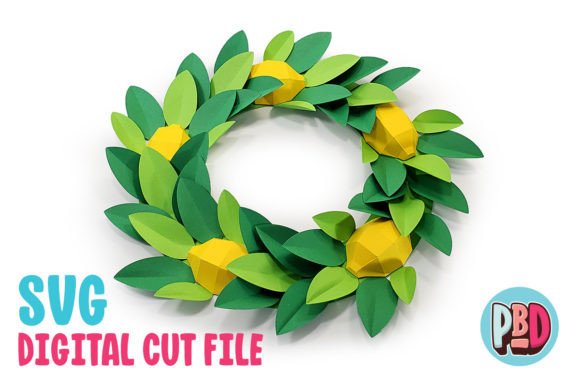
The Lemon Wreath immediately caught my eye with its clean lines and organic form. It’s not just a wreath—it’s a statement piece. The citrus-inspired design brings a sense of vitality and warmth, making it ideal for spring or summer-themed campaigns. Its stylized lemon slices are arranged with thoughtful spacing, giving it a natural yet structured appearance that feels both handmade and modern. From a visual standpoint, this asset communicates freshness, creativity, and a touch of sophistication—qualities that align well with lifestyle brands, floral-themed shops, and even food-related ventures.
What stood out was the balance between detail and simplicity. Unlike some paper flower designs that overwhelm with intricate layers, the Lemon Wreath maintains a clear silhouette while still offering enough texture to feel authentic. This makes it versatile for both bold hero graphics and subtle background accents.
Real-World Applications in Branding and Marketing
I tested the Lemon Wreath across several real-world design scenarios to gauge its adaptability:
- Product Mockups: When used as a decorative element on mockup images of mugs, candles, and wall art, it added a refreshing pop of color and dimension without competing with the product itself.
- Brand Identity Concepts: Incorporated into logo backgrounds and brand guidelines, the wreath helped reinforce the brand's connection to nature and sustainability, especially when paired with soft pastel palettes.
- Packaging Design: Applied as a label or sticker design on eco-friendly boxes and jars, it enhanced the artisanal vibe of the packaging and created a cohesive look across multiple items.
- Social Media Graphics: On Instagram posts and Pinterest pins promoting the launch of new bath and body products, the wreath served as a focal point that drew attention and supported the campaign’s warm, inviting tone.
- Print-on-Demand Assets: When converted into a sublimation design for tote bags and throw pillows, it retained its clarity and vibrancy, which is essential for commercial print projects.
Each use case revealed a different facet of the design. In editorial layouts, such as blog headers or newsletter banners, the wreath functioned well as a decorative separator. For Canva templates, it provided a quick way to add a handmade aesthetic to promotional materials without requiring advanced vector editing skills.
Where Lemon Wreath Shines
This 3D SVG design excels in environments where a natural, handcrafted look is desired. Here are the top areas where it adds value:
- Large Layout Areas: Whether as a background element in web banners or as part of a poster layout, the wreath’s size (14 W x 14 H x 2 D) gives it presence and impact.
- Hero Graphics: Used as a central motif in product photography overlays or landing page headers, it helps establish a strong visual identity.
- Themed Collections: Perfect for seasonal campaigns like spring sales, wellness retreats, or Mediterranean-inspired collections, it ties elements together cohesively.
- Printable Wall Art: The cardstock-based build instructions suggest it could also be adapted for printable DIY kits, appealing to crafters and Cricut users looking for easy-to-assemble decor.
- Supporting Brand Elements: As a supporting illustration in brand assets, it complements logos, taglines, and other icons without overshadowing them.
When to Use with Caution
While the Lemon Wreath is visually engaging, it’s not universally appropriate. Here are situations where I’d recommend using it carefully:
- Small Sizes: At resolutions below 500px, the fine details of the lemons can become pixelated or lose their definition if not properly scaled.
- Crowded Layouts: Due to its layered structure, placing it among dense text or busy imagery might reduce readability and visual clarity.
- Complex Backgrounds: Over patterned or textured backgrounds, the wreath can get lost unless there's sufficient contrast and layering control.
- Minimalist Branding: If the client prefers a sleek, no-fuss style, the ornamental nature of the wreath may clash with their intended aesthetic.
- Professional Corporate Materials: In more formal contexts like annual reports or business proposals, the whimsical design might not fit the required level of professionalism.
Designers should also consider how it interacts with typography. While it pairs beautifully with script and handwritten fonts, it doesn’t harmonize as well with very clean sans-serif or serif typefaces commonly used in corporate settings.
Impact on Readability and Visual Hierarchy
Incorporating the Lemon Wreath into a design requires careful planning around visual hierarchy. Because it’s rich in visual interest, it can easily draw focus away from key messages or CTAs if placed too prominently. However, when used as a border element or centered above a headline, it enhances the overall mood and guides the viewer’s eye effectively.
For instance, in one test, I used the wreath as a header for an email newsletter introducing a new line of essential oils. By placing it above a bold title and surrounding it with negative space, it became a delightful accent rather than a distraction. The same approach worked well for a product label, where the wreath framed the ingredient list and evoked a sense of quality and care.
Design Asset Quality and Commercial Use Considerations
Before recommending the Lemon Wreath for a client project, I made sure to inspect the file formats. The SVG version is fully editable, allowing for resizing, recoloring, and layer adjustments—essential for designers who need flexibility. If included, the PNG version has good transparency and can be layered over photos or gradients with minimal effort.
I also tested the design in black and white to ensure it still carried its shape and character in grayscale applications. While the color version is vibrant and cheerful, the monochrome version maintained a clean silhouette, which could work well in limited-color print jobs or for clients with accessibility concerns.
Contrast was another factor I evaluated. On light backgrounds, the wreath pops with energy, but on darker tones, I needed to adjust the colors slightly to maintain visibility. This highlights the importance of previewing the asset in context before finalizing any layout.
Why Lemon Wreath Is a Valuable Creative Asset
For the right project, the Lemon Wreath is more than just a pretty illustration—it’s a strategic design tool. It helps create emotional appeal by invoking associations with freshness, joy, and craftsmanship. These are powerful cues in branding, especially for handmade businesses or those targeting lifestyle-oriented audiences.
Its versatility allows it to function as a standalone design or as part of a larger collection of paper flower assets. In digital product bundles, it can serve as a premium component that adds perceived value and uniqueness to a design package.
From a practical standpoint, the asset supports a wide range of deliverables—from high-quality print-on-demand outputs to social media content. It’s particularly useful for Etsy sellers and small businesses needing cohesive, seasonal visuals without investing in custom illustrations.
Designer Notes Before Using Commercially
If you’re considering the Lemon Wreath for a professional project, here are a few key checks to make:
- Test at Different Sizes: Ensure it remains legible and impactful whether scaled up for a poster or down for a button.
- Check File Formats: Confirm the SVG is clean and compatible with your design software. If using PNGs, verify they have transparent backgrounds for seamless integration.
- Review Commercial Licensing: Always double-check that the design is available under a commercial license suitable for your project scope—especially if you're creating assets for resale or distribution.
- Consider Color Variants: Experiment with muted tones, vintage sepia, or neon variations to see how it adapts to different brand aesthetics.
- Preview on Real Mockups: Try it on actual product mockups or website headers to understand how it behaves in realistic conditions.
Final Thoughts for Design Professionals
The Lemon Wreath is a standout in the world of paper flower design assets. It brings a lively, organic touch that can enhance everything from brand identities to print-on-demand merchandise. However, its success depends on how well it integrates with the rest of the visual language of the project.
For designers working with handmade brands, seasonal campaigns, or creative marketplace listings, this 3D SVG offers a fresh, ready-to-use solution that adds polish and personality. Just remember to treat it with intention—placing it thoughtfully within the visual hierarchy will help it shine without overwhelming the message.
Overall, I found the Lemon Wreath to be a reliable and expressive addition to my design toolkit. It’s the kind of asset that can make a project stand out, especially when used to support a natural, joyful, or artisanal brand voice.