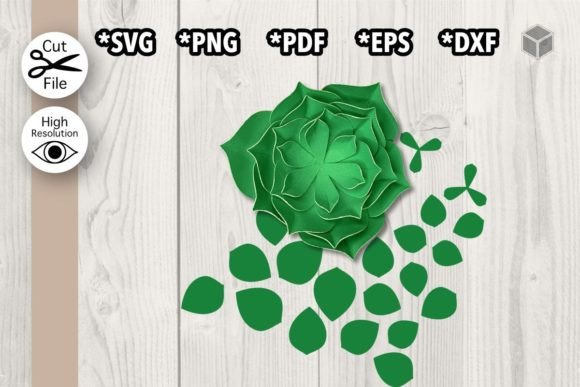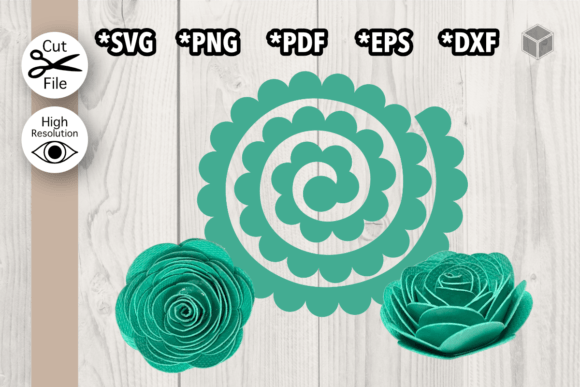
Classic Succulent Flower: A 3D SVG Paper Flower for Creative Publishing
As a seasoned blog designer and digital publisher, I’m always on the lookout for graphic design assets that elevate content without overshadowing it. When I first encountered Classic Succulent Flower, its elegant form and subtle texture immediately stood out. This is not just another paper flower—it’s a versatile visual element with editorial finesse, perfect for bloggers, content creators, and small business owners aiming to add a touch of organic charm to their web presence.
Aesthetic Mood and Content Niche Fit
The Classic Succulent Flower exudes a lifestyle-focused yet professional vibe. Its delicate petals and structured form suggest an artistic modernity while maintaining a softness that feels approachable. The design doesn’t scream at you; instead, it whispers with a calm sophistication that aligns well with niches like wellness, home décor, floral design, DIY crafts, and seasonal content.
This asset naturally supports content that wants to feel warm, inviting, and slightly artisanal. Whether used in a digital guide on indoor gardening or as a Pinterest pin for a minimalist living room tutorial, the succulent flower adds a layer of authenticity and visual warmth. It also works beautifully in educational content—think step-by-step printable guides where a visual accent can help break up dense text and keep readers engaged.
Real-World Applications in Content Publishing
Here are several real publishing workflows where Classic Succulent Flower can shine:
- Blog Featured Images: Use it subtly in the corner of your header image to signal creativity and care in your design process.
- Pinterest Graphics: Incorporate the flower into your pin layout to create a natural focal point that enhances click-through potential.
- Newsletter Headers: Add it to your email banners to soften the tone and make your newsletter more visually appealing.
- Digital Guides & Lead Magnets: The flower makes a great decorative border or background element in worksheets, PDF downloads, and lead magnets focused on lifestyle or creative topics.
- Category Thumbnails: Display it alongside category titles to improve brand recognition and help users navigate your content faster.
- Website Banners: Place it along the edges of hero sections to reinforce your site's aesthetic without being overwhelming.
- Canva Templates: Integrate it into custom Canva templates for social media posts or infographic-style layouts.
- Downloadable Printables: It pairs well with calendars, planners, and other printables where a hint of botanical beauty elevates the perceived value.
Boosting Content Performance Through Visual Design
Strong visuals are the backbone of effective content marketing. The Classic Succulent Flower contributes to this by enhancing several key performance areas:
- First Impressions: The flower instantly adds a polished look to your graphics, making them stand out in crowded feeds or search results.
- Visual Hierarchy: As a design element, it helps direct attention to headlines or call-to-action buttons when placed strategically.
- Click-Through Potential: On platforms like Pinterest, where aesthetics drive engagement, the flower can increase the allure of your pins.
- Brand Consistency: Repeated use across blog headers, downloadable resources, and social media builds a cohesive brand identity.
- Reader Trust: Clean, intentional design choices like those seen in this asset contribute to a sense of professionalism and credibility.
- Category Recognition: In niche spaces such as floral design or interior styling, using consistent motifs like this flower helps establish topical authority.
- Professional Appearance: Even though it’s a paper-based asset, the vector format allows for crisp scaling, ensuring it looks sharp on any device.
Where to Place Classic Succulent Flower for Maximum Impact
Some of the best places to deploy this design include:
- Hero Images: As a subtle border or background detail, it enhances the elegance of your main page visuals.
- Article Thumbnails: Especially on platforms like Medium or Substack, a thumbnail with this flower can communicate style and substance.
- Social Media Previews: For YouTube thumbnails or Instagram previews, pairing the flower with clean typography creates a balanced composition.
- Editorial Accents: Use it sparingly in between paragraphs or as a section divider in long-form content to maintain reader interest.
- Content Upgrades: Include it in your premium downloadables or opt-in forms to give your audience something beautiful to remember.
- Media Kits: If you’re building a brand for affiliate marketing or influencer collaborations, this flower can be part of your signature visual language.
Design Considerations for Effective Use
While Classic Succulent Flower is a high-quality asset, there are some scenarios where it may not perform optimally:
- Small Mobile Thumbnails: The intricate details might get lost if scaled too small, so avoid using it in tiny preview images.
- Text-Heavy Blog Images: Don’t let it compete with large blocks of text—keep it as a supporting element rather than a central focus.
- Low-Contrast Backgrounds: Test placement against various color schemes to ensure it remains visible and doesn’t blend in unintentionally.
- BUSY LAYOUTS: If your website already has complex visuals, adding this flower could introduce unnecessary clutter. Use it judiciously.
- Corporate or Minimalist Sites: While it can work in many contexts, the asset leans toward the artistic and decorative, which may not suit all professional branding styles.
Publisher Tips for Getting the Most Out of This Asset
To integrate Classic Succulent Flower successfully into your publishing workflow, consider the following practical steps:
- Test on Desktop and Mobile Screens: Ensure the flower maintains its clarity and impact across different devices and screen sizes.
- Check Thumbnail Versions: Resize the image and see how it performs as a preview. You don’t want it to become unrecognizable.
- Preview in Real Layouts: Insert it into your actual blog or website header to evaluate how it interacts with other elements.
- Combine With Headline Text: Try overlaying it with bold, sans-serif fonts to see if it complements or distracts from the message.
- Evaluate Contrast and Readability: Make sure it doesn’t interfere with legibility, especially if you're using it behind text or over gradients.
- Try in Black and White: This will help determine whether the design relies too heavily on color for impact.
- Pair With Different Fonts: Test beside serif, script, handwritten, and display font styles to find what harmonizes best.
- Review File Size: Since it’s a 3D SVG, it should scale well, but confirm optimized file size for web performance to avoid loading delays.
- Confirm Commercial Licensing: Before using it on monetized sites, affiliate pages, or paid digital products, verify that the commercial license covers your intended use.
Final Thoughts on Integrating Classic Succulent Flower Into Your Workflow
Graphic design assets like Classic Succulent Flower offer a powerful way to enhance the visual storytelling of your content. Whether you're designing for a blog graphics suite, preparing editorial materials, or building a cohesive brand identity for your online courses, this asset brings both beauty and functionality.
Its clean, modern silhouette ensures it won’t date quickly, while the 3D depth adds a tactile quality that sets it apart from flat illustrations. As someone who values editorial design and web design efficiency, I recommend testing it in multiple formats and placements to discover how it can best serve your content goals.
If you're ready to take your digital product visuals to the next level, consider adding Classic Succulent Flower to your collection of go-to design elements. It’s a small addition that can have a big impact on your content marketing strategy and overall visual appeal.